SIVIDI Develops Draw-Wire Position Sensor for Hydraulic Cylinder Stroke Measurement
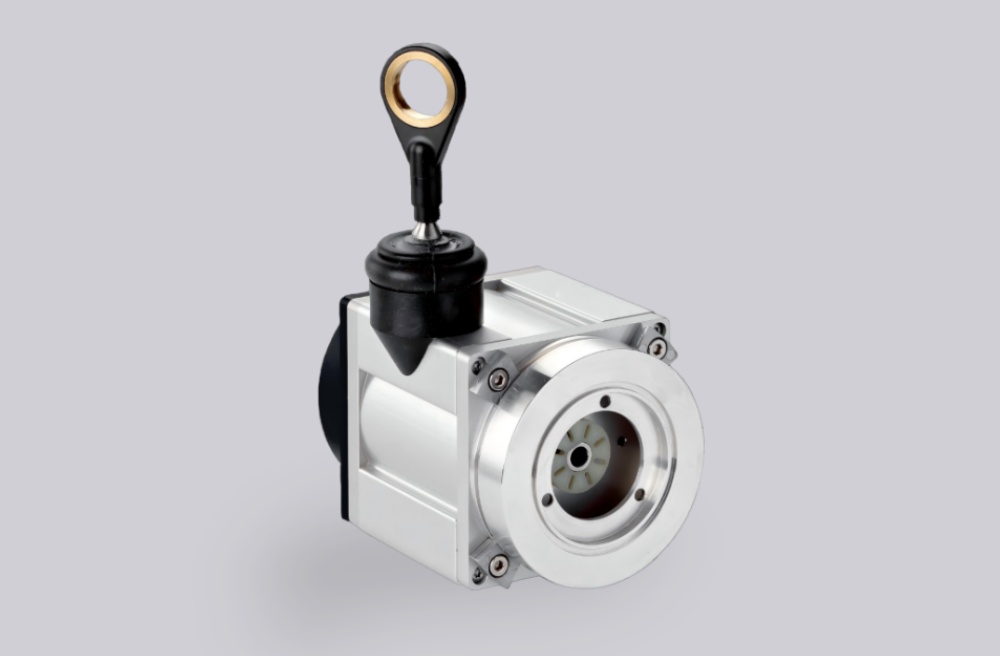
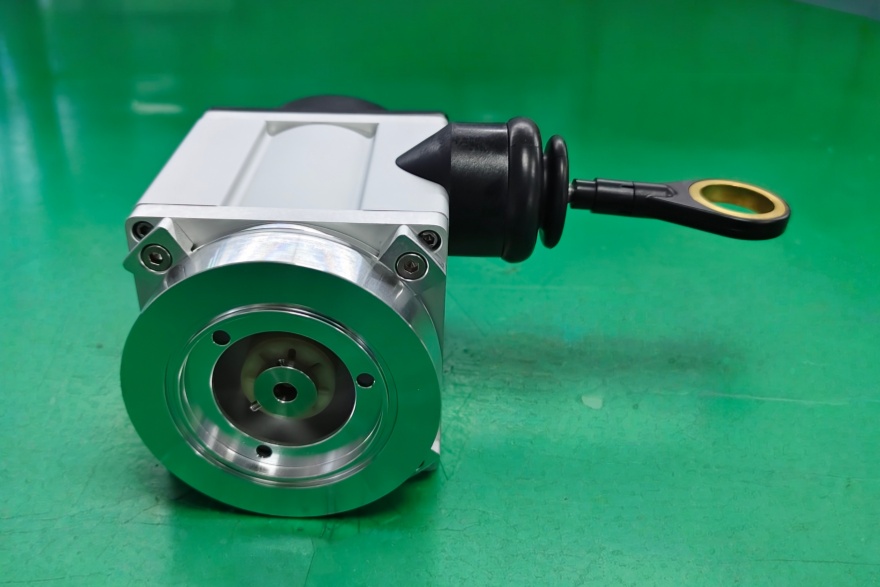
SIVIDI has developed a new draw-wire position sensor designed for external stroke measurement on hydraulic cylinders. The solution provides continuous position feedback by converting the linear movement of a hydraulic cylinder rod into a measurable position signal. The development originated from a practical application involving hydraulic servo equipment, where the cylinder required reliable stroke monitoring without installing a position sensor inside the cylinder body. In some hydraulic systems, integrating an internal displacement sensor is not always practical. Existing cylinder structures, retrofit projects, limited installation space, maintenance requirements, or non-standard mechanical designs may make an externally mounted solution more suitable. To address this requirement, SIVIDI developed a draw-wire sensor configuration that can be mounted outside the hydraulic cylinder. The wire is mechanically linked to the moving part of the cylinder, allowing the sensor to follow the extension and retraction of the piston rod. As the cylinder moves, the draw-wire mechanism converts the linear displacement into rotational motion inside the sensor. The internal position sensing element then generates a corresponding output signal for stroke measurement, position monitoring, or closed-loop control. External Position Measurement Without Modifying the Cylinder One of the main advantages of the external draw-wire design is that the hydraulic cylinder itself does not need to be internally modified. This can be particularly useful for existing equipment, customized hydraulic cylinders, retrofit projects, and applications where internal sensor installation would increase mechanical complexity. The sensor can be installed independently of the hydraulic circuit, making installation, adjustment, replacement, and maintenance more flexible. For machine builders and hydraulic system integrators, this approach also provides another option when conventional internal position sensing methods are not suitable for the mechanical structure of the application. Designed Around Hydraulic Cylinder Motion Hydraulic cylinder applications place different demands on a draw-wire sensor compared with general-purpose linear position measurement. Repeated...