Technical Articles

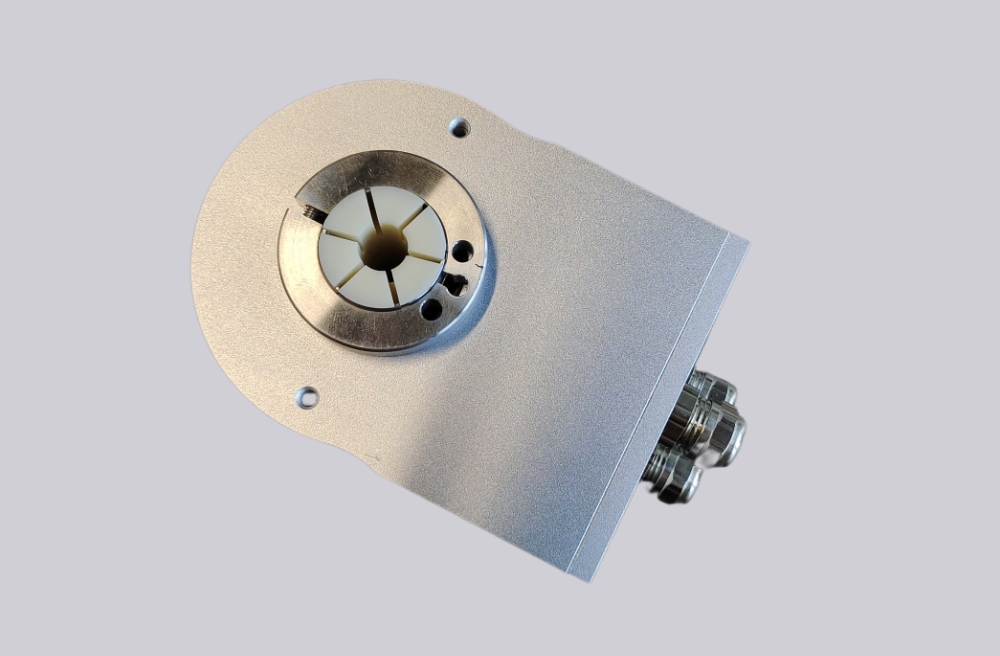
Engineering Interpretation of Resolution and Accuracy in Industrial Rotary Encoders

In the technical specifications of rotary encoders, resolution and accuracy are two of the most frequently referenced parameters by engineers, yet they are also among the most commonly misunderstood. In many industrial projects, excessive emphasis is placed on high resolution while the overall system accuracy is overlooked, often resulting in increased cost without a corresponding improvement in performance. From an engineering perspective, a correct understanding of the relationship between resolution and accuracy is essential for proper encoder selection. 1. Definition of Resolution and Its Engineering Implications The resolution of a rotary encoder describes the smallest detectable angular increment within one mechanical revolution. For incremental encoders, resolution is typically expressed as pulses per revolution (PPR), while for absolute encoders it is...
More

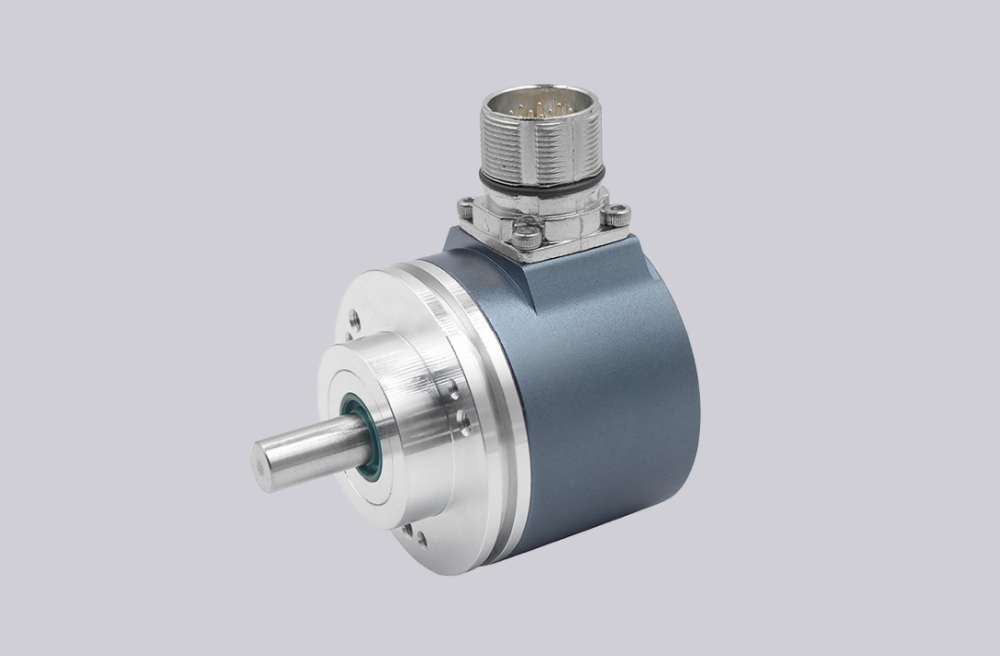
Differences Between Incremental and Absolute Encoders and Selection Considerations

In industrial automation and motion control systems, incremental encoders and absolute encoders are the two most commonly used types of rotary encoders. They differ significantly in signal output methods, system behavior, and selection criteria. Understanding these differences is essential for ensuring system stability, positioning accuracy, and reliable operation. Operating Characteristics of Incremental Encoders Incremental encoders generate pulse signals to represent relative rotational movement. Control systems calculate speed and position by counting the number of pulses and analyzing their frequency. Due to their simple structure and fast response, incremental encoders are widely used in motor speed control, conveyor systems, and general positioning applications. However, incremental encoders do not retain position information after a power interruption. When the system restarts, a homing...

More

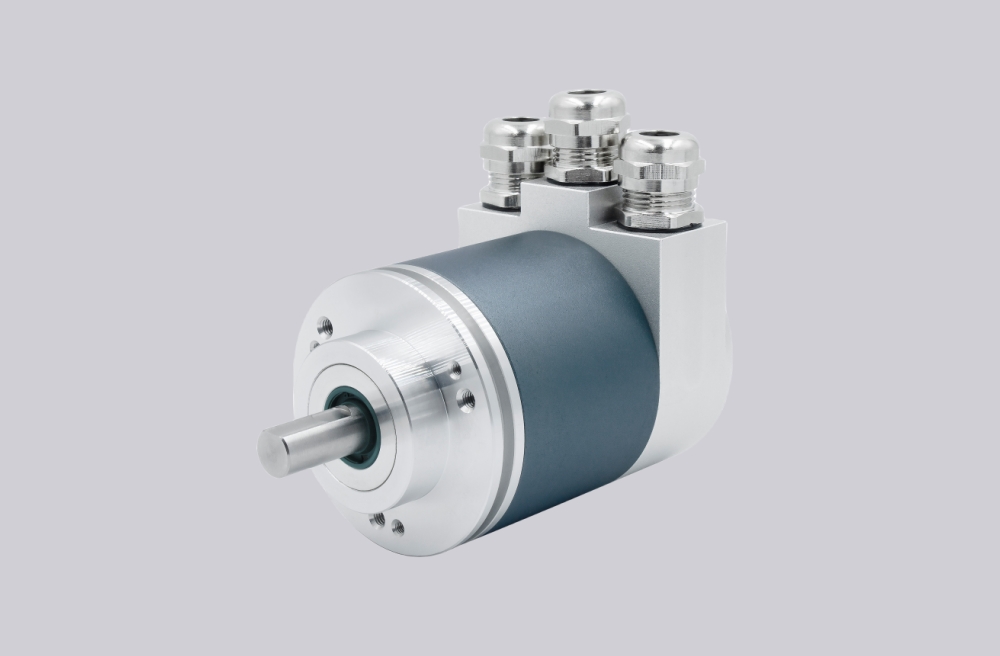
Working Principle and Main Classification of Rotary Encoders

A rotary encoder is an industrial sensor used to measure rotational position, angle, or speed. It is widely applied in industrial automation, machinery, energy systems, and motion control equipment. By converting mechanical rotation into electrical signals, rotary encoders provide accurate and stable feedback to control systems and play a critical role in modern industrial applications. Basic Working Principle of Rotary Encoders A rotary encoder typically consists of a rotating shaft, a sensing element, and signal processing electronics. As the shaft rotates, the internal sensing structure generates electrical signals corresponding to the angular position or movement. These signals are then interpreted by the control system to determine position, direction, or rotational speed. Depending on the sensing technology, rotary encoders may use...

More
WeChat WeChat
WeChat
WhatsApp WhatsApp
WhatsApp
Phone Phone
+86 15050450799